)
West Australian abalone company Rare Foods Australia (ASX: RFA) has opted to delist as it faces the "toughest trading conditions ever experienced" in its key markets, compounding challenges of being unable to secure a cost-effective supply of juvenile abalone from its sole supplier.
Formerly known as Ocean Abalone and listed on the ASX since 2017, Rare Foods' share price has fallen 96 per cent since its initial public offering from $0.25 a share to just $0.01 this morning.
After reporting a $2.18 million loss for the December half, taking accumulated losses to more than $23 million, the company's chief financial officer and company secretary Brent Stockden resigned from Rare Foods at the start of this month.
This followed an operational update in late February that Rare Foods was assessing strategic alternatives and further restructuring to reduce its cost base and mitigate risk, after extensive negotiations with its juvenile abalone provider were unfruitful. In response, the board decided to pause the deployment of any new juvenile abalone on the Flinders Bay reef.
Today the company bit the bullet with plans to delist, subject to shareholder approval, given the significant additional costs of maintaining an ASX listing. The group notes a decline in the global demand for seafood products, and in particular abalone, due to macroeconomic factors impacting discretionary income for consumers.
"Like many Australian seafood businesses, we are experiencing the toughest trading conditions ever experienced in our key markets," says managing director Brad Adams.
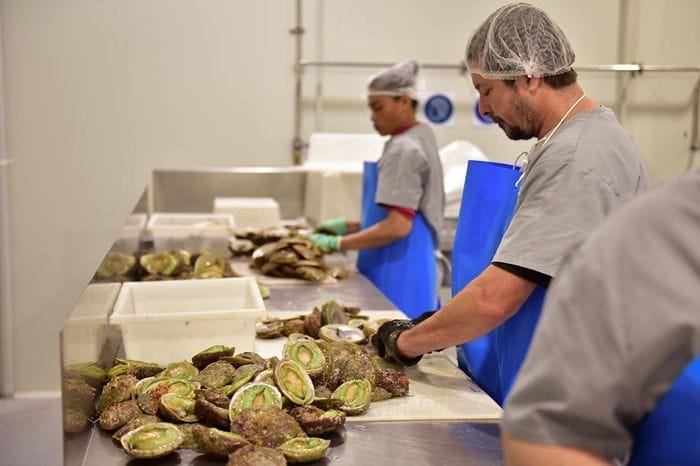
"Business costs have continued to increase, yet revenues have not. The company has implemented significant cost cutting measures over the previous six months to ensure the business is cashflow positive to remain in business during this economic downturn.
"For a company of our size, maintaining an ASX listing is a large cost burden, and the company believes it can provide significantly more value to shareholders operating as an unlisted public company."
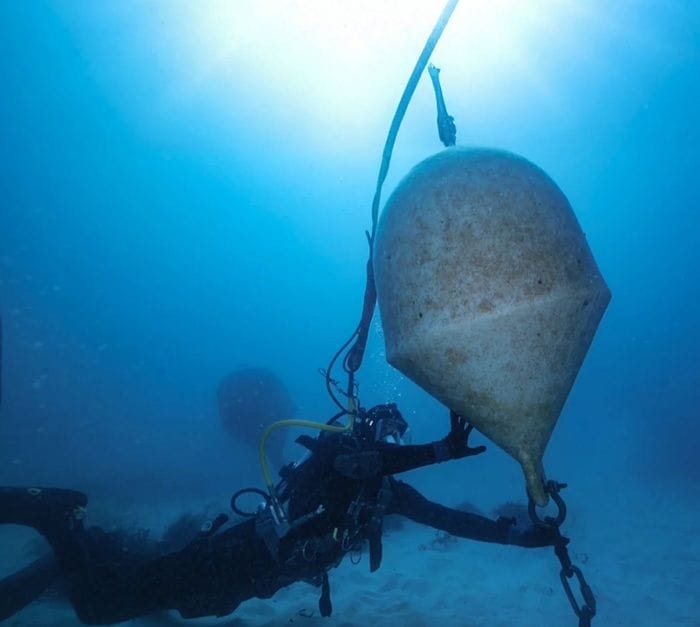
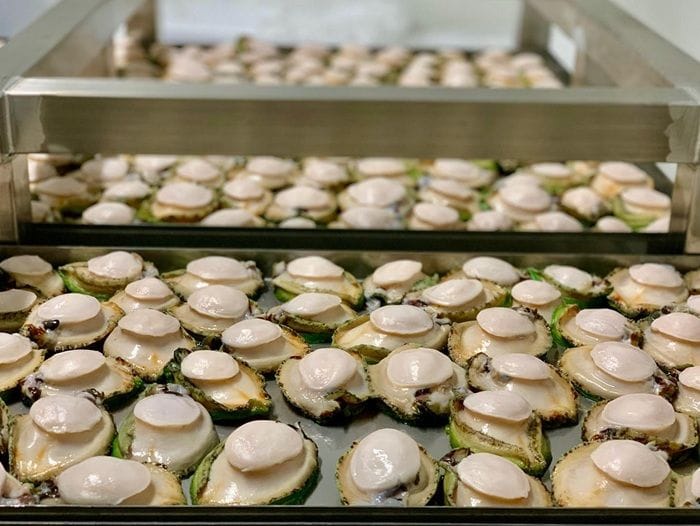
He says Rare Foods continues to develop niche markets that provide higher returns for its unique MSC ranched greenlip abalone, and hopes that a cost-effective solution to its juvenile abalone supply can be realised. The group also plans to continue to develop growth opportunities such as the Subsea Estate Ocean wine making business.
"In pursuing the delisting strategy, the board is committed to maintaining strong governance and continuous disclosure obligations as an unlisted public company," Adams says.
"Importantly, we look forward to communicating directly with our shareholders, developing and executing on our strategy without continually revealing our plans to competitors in a listed company environment."
Rare Foods estimates the direct cost of listing at $735,000 annually, in addition to "the need to devote management time attending to matters relating to the listing which could be directed elsewhere if the company was unlisted".
The group also emphasises that Rare Foods' market capitalisation of $4.3 million are "materially lower" than the value of its net assets of approximately $7.4 million.
"Following the delisting, the Board believes that, instead of an undervalued public market capitalisation being the primary reference of value, future valuations will be based on an appraisal of the company's business, brand value, operational fundamentals and future prospects," Rare Foods states.
"Recent trading history shows notably low volume trading in the company’s shares on ASX, and the company believes this is unlikely to change in the foreseeable future."
)