)
Toowoomba-based agricultural technology company DIT AgTech is undertaking a crowdfunding campaign in the United States seeking up to US$5 million ($7 million) to expand its automated livestock water-supplementation system into the Americas and scale its livestock supplementation and methane-reduction technology globally.
The campaign is being run through the DealMaker Securities platform and offers Class C Preferred Non-Voting Stock at US$1.00 per share in a newly formed Delaware corporation, DIT AgTech (US) Ltd.
The company was incorporated in December last year as the US commercialisation vehicle for the Australian parent business, with the raise giving the company a pre-money valuation of US$17.9 million ($25 million).
According to the most recent filing data, US$50,972 has been committed against a minimum target of US$10,000 and a maximum of US$5 million.
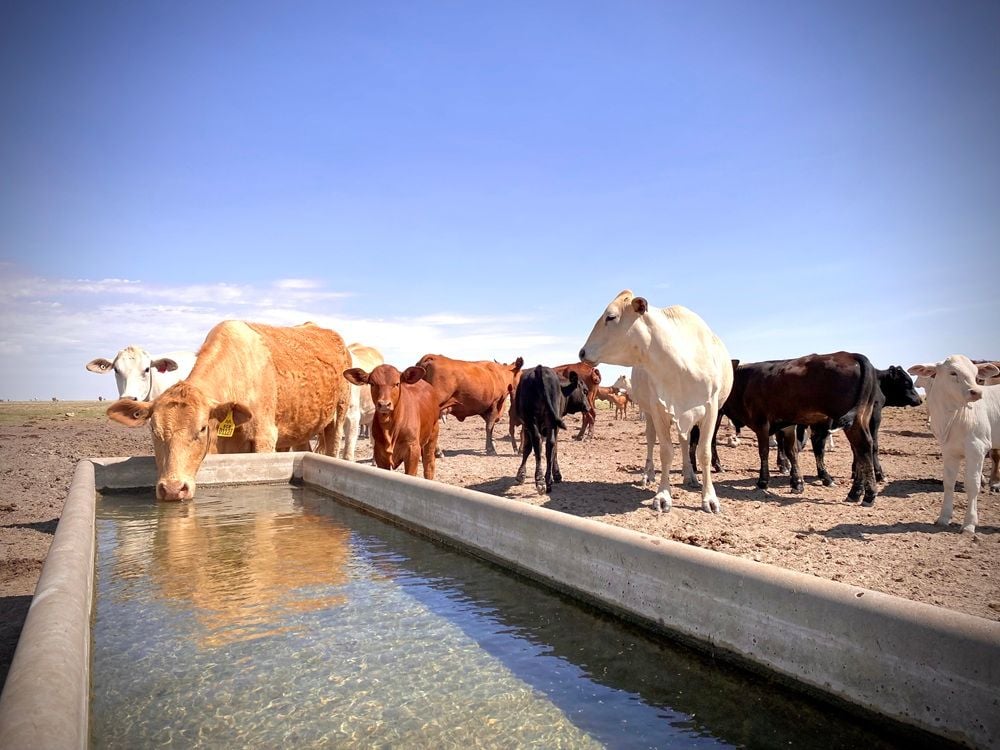
DIT AgTech's core product is the uDOSE system, an automated platform that delivers supplements, minerals and medications directly into livestock drinking water, eliminating the need for manual dosing.
The system is paired with remote monitoring, a cloud dashboard, satellite connectivity and a proprietary supplement range.
The technology is already deployed across more than 370,000 head of cattle in Australia, servicing clients such as AACo, Stanbroke, Kidman, and Macquarie Asset Management’s Paraway Pastoral Company.
DIT AgTech, which has already secured early support from Australian investors through its US entity ahead of the broader capital raise, is targeting more than one million head by FY29 as it expands beyond Australia's northern cattle operations into southern regions and sheep markets.
The US campaign represents DIT AgTech's first formal capital raise targeting American retail investors as it looks to replicate its Australian cattle-sector footprint in what is the world's largest beef market by value.
The company believes the Americas represent a major long-term growth opportunity, with roughly 600 million head of cattle across North and South America compared to Australia’s 29 million.
DIT AgTech, founded and led by Mark Peart, is currently generating about $10 million annualised revenue and forecasts about $24 million in revenue and $6 million in earnings by FY28.
The company says it has achieved 64 per cent average annual revenue growth over four years and is on track for $29.6 million in future recurring revenue.
“We started with a very simple idea - how do you reduce labour, diesel and operational complexity across massive grazing systems while improving animal performance at the same time," says Peart.
"As conditions become more volatile globally, producers are looking much more closely at technologies that reduce recurring costs and make operations more resilient.”
The capital raise is set against a backdrop of rising pressure for the global agricultural sector due to fuel costs, labour shortages and fertiliser supply volatility.
DIT AgTech says its system can significantly reduce diesel usage by removing the need to regularly roll out lick blocks and manually manage supplementation programs across large properties.
In response to customer feedback, the company recently removed upfront costs for producers adopting the system after many operators said they could see the operational value but struggled to justify the capital expenditure amid rising costs.
DIT AgTech says the move forms part of its broader partnership model, which is designed to accelerate adoption by lowering barriers to entry while building long-term recurring customer relationships across large livestock operations.
DIT AgTech is also expanding the use of its infrastructure into methane-reduction and carbon projects by administering methane-reducing additives through water systems in a measurable way.
The company has also developed alternative supplement supply arrangements as global urea and fertiliser markets remain disrupted following export restrictions and geopolitical instability.
“Agriculture has historically been under-digitised compared to most industries," says Peart.
"There’s now a major opportunity to modernise livestock systems around automation, monitoring, operational efficiency and carbon management.”
)