)
Sunshine Coast-based sustainable cleaning products company Pleasant State has bowed to market pressures, announcing it is closing down its operations before the end of this month after six years of operation and helping thousands of households switch to low-tox, refillable cleaning.
A general meeting of shareholders today resolved to undertake an orderly wind-down of the business with trading to cease on 27 January.
The homecare brand, founded in 2020 by Ami Bateman and Sian Murray, says the decision is based on a business environment that has made it “increasingly difficult to operate a values-led consumer brand”.
The founders say the battle has been lost despite “strong brand recognition, repeat customers and demonstrated demand” for the Pleasant State products.
“Six years ago, we set out to prove that doing good is good for business,” says Murray.
“While we’re incredibly proud of the impact Pleasant State has made, in this chapter and in this market, we haven’t been able to make the model work long term.”
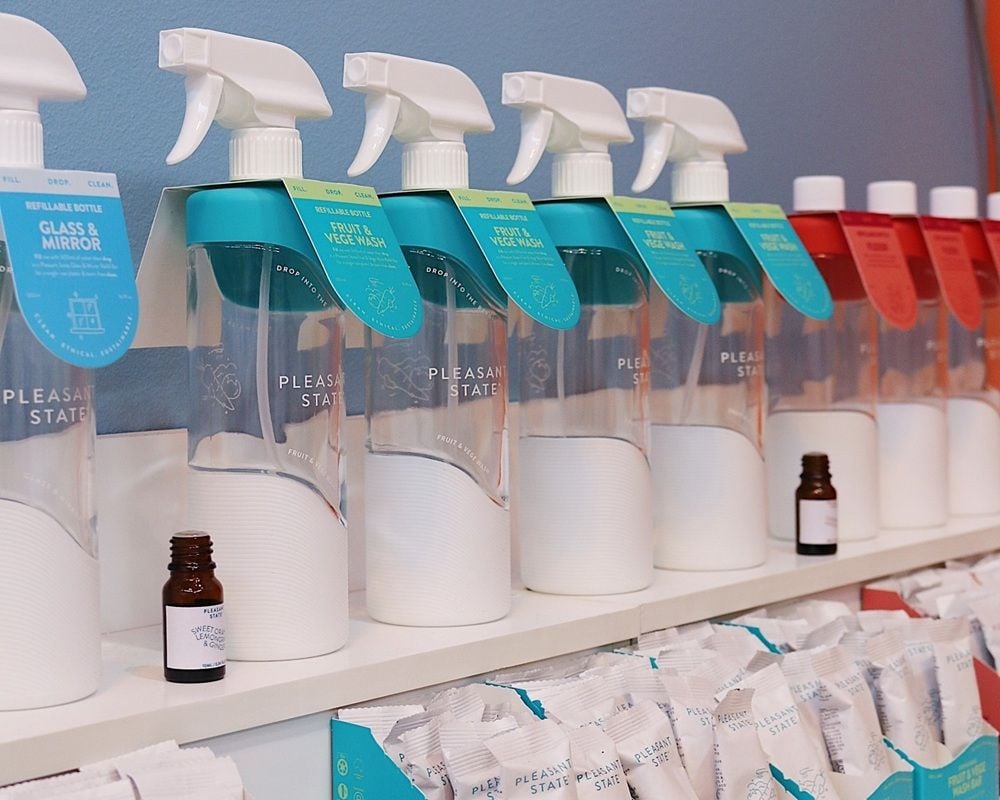
Pleasant State was established to change the way Australians clean their homes through the launch of “thoughtfully designed, non-toxic, just-add-water cleaning systems” with its products ranging from hand washes and floor cleaning products to towels and cloths.
The company says that through its engagement with customers, the brand played a role in “normalising” refillable cleaning models in Australian households.
The Pleasant State says its decision to wind down operations follows a challenging 18 months that were impacted by rising operating costs, a downturn in discretionary spending and increased competition from lower-cost alternatives in the sustainability category.
Murray points out that there is currently a “growing disconnect between conscious consumers and economic reality”.
“People want to make better choices, but households are under pressure, and the cost of producing responsibly hasn’t come down,” she says.
“At the same time, there’s been an influx of low-cost cleaning alternatives that replicate the idea of refillable cleaning without the same efficacy or ethics.”
After raising seed capital via a crowdfunding campaign on the Indiegogo platform in 2020, Pleasant State secured just over $1 million to drive growth in a second crowd-sourced funding campaign through the Birchal platform in 2023.
The founders have acknowledged that the closure of Pleasant State is also a “disappointing loss” for the company’s early supporters, many of whom were first-time investors.
“Pleasant State has been a community brand from the beginning,” says Murray.
“This community and the impact we’ve made together are what we’re most proud of. They didn’t just invest financially, they backed a vision.
“We’re incredibly grateful for their trust and support, and we’re genuinely sorry that this is the outcome.”
Among the achievements listed by Pleasant State are the prevention of hundreds of thousands of single-use plastic bottles from ending up in landfill or waterways and the donation of 1 per cent of all sales to environmental charities, including Take 3 for the Sea.
“These outcomes matter,” says Murray.
“They show that even in a difficult operating environment, Pleasant State was always a force for good. We changed habits, created cleaner homes, and showed that everyday choices can make a difference.”
The decision to close down the business follows attempts by the founders to explore options to keep the business afloat.
“We explored every option available to us, including restructuring and partnership opportunities,” says Bateman.
“This has been the hardest decision we’ve ever had to make. We are deeply disappointed with this outcome, but we’re confident that we’re doing the right thing for our shareholders and the long-term integrity of the business.”
Pleasant State is currently undertaking a closing-down sale to clear remaining inventory and to ensure products already manufactured are used by customers instead of "going to waste".
The founders say they remain open to acquisition discussions relating to the Pleasant State brand and associated assets, including intellectual property, customer relationships and other strategic assets.
“We believe Pleasant State has strong foundations,” says Bateman.
“There may be opportunities for the brand, or parts of the legacy we’ve built, to continue in a new form.”
)