)
For all the uncertainty that abounds in the global economy and the incessant challenges that founders face, the future remains bright for Australian entrepreneurship as risk-taking innovators continue to defy the odds.
Applying their ideas with finesse, nimbly responding to changing circumstances but rarely losing sight of the bigger problems to be solved, many of these founders’ businesses are tough to classify as they’re creating completely new categories.
As some are not just defying the odds but setting them, establishing fresh benchmarks and shifting the status quo, others are resiliently delivering value within tried and tested fields; their innovative tendencies not necessarily headline grabbing, but bubbling under the surface.
The Australia’s Top 100 Young Entrepreneurs list is the culmination of eight months spent screening leading and emerging founders across a broad array of industries, aided by the rigorous process of the Australian Young Entrepreneur Awards but also drawing on a broader pool of candidates.
The result and all the journeys within are certainly inspiring for us, and we hope they are for you too. It is remarkable to witness such lofty ambitions in action and garnering breakthroughs, while also tracking the evolution of founders over the years as they steadily move higher up the list as their businesses grow and consolidate.
It is worth highlighting that the process of compiling any list like this – no matter how much information we have at our disposal - is fraught with difficulty, but what we present here is our best possible approximation of the most successful young entrepreneurs in this country today.
Clarification is also required regarding entrants whose company valuations have been publicly announced or can be tracked daily on the stock market. Determinations are based on a wide range of influencing factors - profitability, revenue, economic and societal impact, growth, sustainability, viability and indeed valuations.
However, the latter is not the gold standard; if recent years have taught us anything, it’s that valuations set by VCs or public market investors can rapidly change.
It is a great privilege for us to publish this list, and we can’t wait to see what the rest of 2025 holds for the Australian startup ecosystem.
1. Cliff Obrecht (39) and Melanie Perkins (37)
Canva
Sydney
High-profile acquisitions and an enterprise ramp-up have helped Australian startup darling Canva cement its transition from graphic design tool to “all-in-one visual communication platform” over the past year, throwing down the gauntlet to competitors like Adobe.
The $1 billion acquisition of Serif owner Affinity in March 2024 and the purchase of Australian generative AI startup Leonardo.ai – reportedly for more than $320 million – in July have strengthened the Sydney-headquartered group, which as of October saw its annualised recurring revenue hit $2.5 billion
Sales are generated from approximately 10 per cent of Canva’s ever-climbing user base, with active user numbers surpassing 200 million in the second half of 2024.
“We’re incredibly excited to now be empowering more than 200 million people in nearly every country across the globe,” co-founder and CEO Melanie Perkins said in October.
“From over 95 per cent of the Fortune 500 to millions of small businesses, classrooms and nonprofits, it’s certainly an exciting milestone but we feel we’re still just 1 per cent of the way there.”
Canva’s 95 per cent penetration of the world’ largest companies compares to co-founder Cliff Obrecht’s claim in May that 90 per cent of Fortune 500 companies were using Canva at scale, amidst an enterprise roll-out allowing organisations to scale their on-brand visual content.
Canva Enterprise has been adopted by the likes of NYSE, Atlassian, HP, Snowflake, DHL Express, DocuSign and more.
The acquisition of Leonardo.ai led to the launch of Canva’s generative AI tool Dream Lab a few months later, boosting a platform which, overall, was enabling 300 new designs every second at the time with more than 30 billion designs created to date.
“As we double down on empowering everyone to turn their ideas into designs, we’re introducing dozens of new features across our Visual Suite at the intersection of creativity and productivity,” Perkins said in October.
“From more interactive designs to a suite of AI-powered upgrades, we hope these new features help our community to continue achieving their goals.”
The origins of Canva go back to Perth where Perkins and Obrecht started Fusion Books in 2007 to help students design and print school yearbooks, but in 2012 they teamed up with Cameron Adams to create a platform with much greater ambitions.
The company now donates more than $1 billion worth of product value annually through its Canva for Education and Canva for Nonprofits programs, offering free access to Canva's premium products to more than 70 million teachers and students, as well as 670,000 non-profits.
“Our value as a company drives our ability to create positive change, and we’re proud to be able to ensure these communities always have access to the technology they need to achieve their goals,” says Adams.
Related story: Canva swoops on Australia’s fastest-growing startup Leonardo.Ai
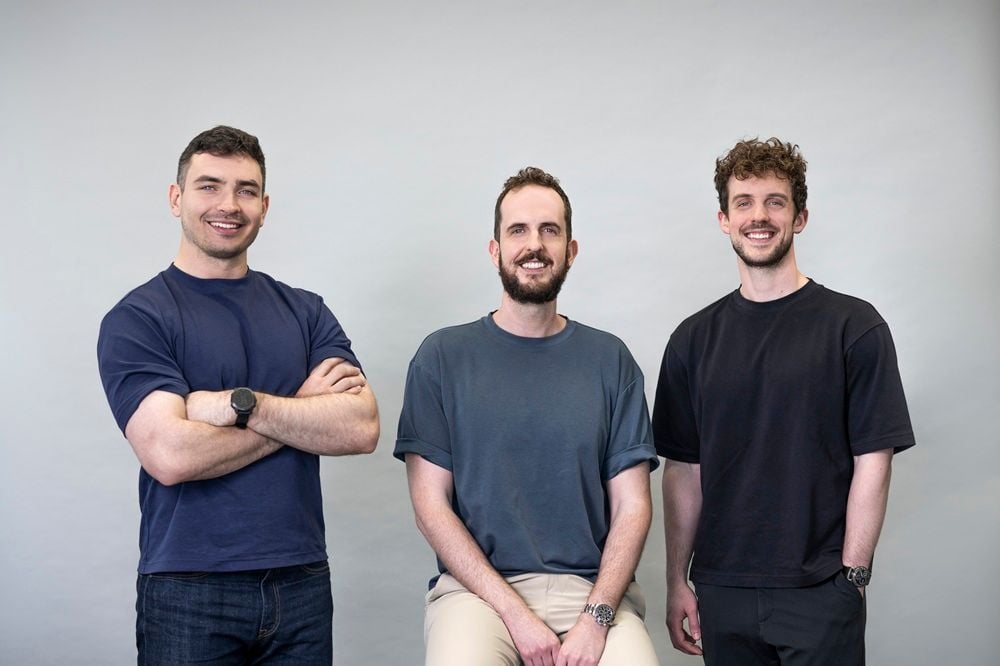
2. Alex Connolly (26), James Ferguson (33) and Robbie Ferguson (28)
Immutable
Sydney
The world’s fastest-growing web3 gaming ecosystem Immutable consolidated its status as “undisputed leader” in the industry in 2024 as it signed on more than 250 games during the year – a feat that is higher than all previous sign-ons since founding in 2018.
Immutable saw rapid user growth in 2024 driven by the onboarding of blockbuster titles like multiplayer online roleplaying game RavenQuest and action shooter Telegram mini app GG Survivor – the latter notched two million downloads within weeks of debut.
With its platform that allows users to develop web3 games, Immutable has achieved a 70 per cent market share in its industry according to research firms like Messari and VanEck.
“Immutable has just hit 500-plus games signed, up by more than 260 in 2024 - the highest number on any web3 gaming platform in history,” says Immutable CEO James Ferguson.
“With 1.9 million-plus monthly active users (MAU) we are now also the 11th biggest blockchain in the world.
“This has largely been driven by the incredible demand for our games and the marketplaces accessible on the Immutable Passport ecosystem, which boasts 4.7 million-plus sign-ups after launching with the Immutable zkEVM chain only one year ago.”
Other milestones over the past year include the April debut of the $100 million Inevitable Games Fund in collaboration with King River Capital and Polygon Labs, while by May last year the web3 game Guild of Guardians had surpassed one million downloads.
Immutable has raised approximately $400 million since inception including a $273 million Series C in 2022.
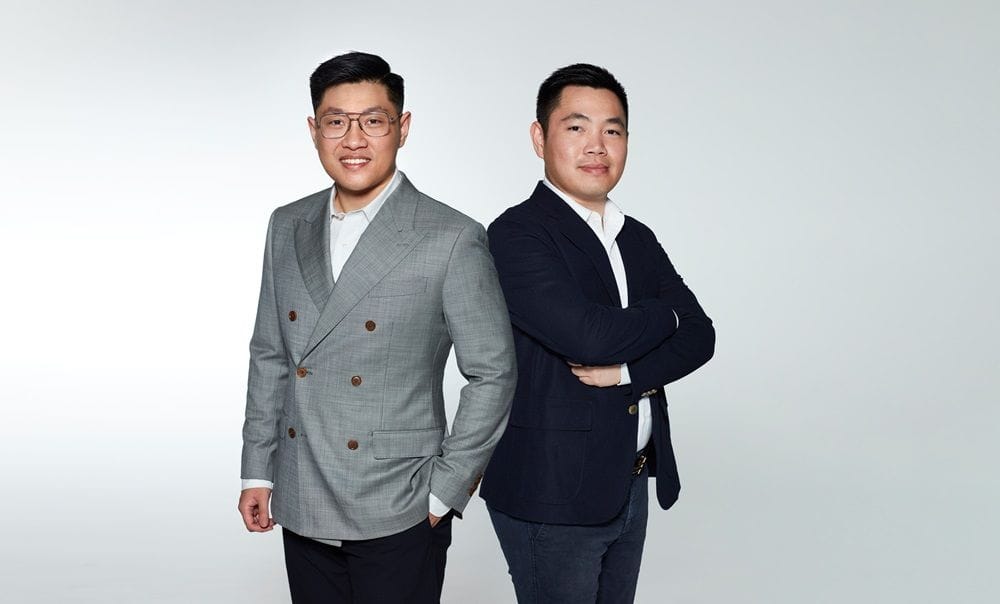
3. Dr Aengus Tran (31) and Dimitry Tran (38)
Harrison.ai
Sydney
With solutions that have impacted six million lives to date and a footprint in more than 40 countries, Harrison.ai is one of Australia’s boldest recent medical technology startup success stories, recently securing another $179 million in funding for its cause.
The Series C round announced in February takes the company’s total funding beyond US$240 million ($387 million), which will go towards further R&D of its pathology and radiology solutions as well as geographical expansion.
Brothers Dr Aengus Tran and Dimitry Tran founded Harrison.ai in 2018 with a vision to dramatically scale the capacity of global healthcare through AI, and the company is already achieving that in many respects.
Its radiology solution Annalise.ai is driving a significant improvement through early lung cancer detection within hospital systems. Radiologists using the technology report a 45 per cent increase in diagnostic accuracy.
Annalise.ai is now live in more than 1,000 healthcare facilities across 16 countries, and is available to approximately half of Australia’s radiologists. Its computed tomography (CT) and chest X-ray (CXR) solutions are deployed across 49 NHS Trusts, covering approximately 131 hospitals in the UK, with 2.8 million X-rays processed annually.
In addition, in Hong Kong the company’s technology is deployed across all public health accident and emergency systems.
In another recent breakthrough, the company partnered with South Australia Medical Imaging (SAMI) to deploy AI across the state - a first for public radiology in the country.
"With the growing diagnostic backlogs in Australian hospitals, AI solutions like Harrison.ai are the unfair advantage clinicians urgently need to reduce the time to accurate diagnosis of cancer and other critical illnesses, enhancing patient outcomes," says Dr Aengus Tran, the company’s CEO.
"It is our hope that we can bring AI-driven diagnostic advancements to every public hospital across Australia."
The next great frontier for the group is the US market. With Food & Drug Administration (FDA) clearance, Annalise.ai now stands as the most comprehensive FDA-cleared AI triage solution for CXR and CT, and co-founder Dimitry Tran relocated to Boston in late 2024 to accelerate market introduction of these groundbreaking innovations.
The group is also involved in Franklin.ai, which it established through a partnership with Sonic Healthcare in 2022 as a leading AI pathology company that is transforming the diagnostic process by reducing turnaround times and enhancing reporting accuracy for clinicians.
Related story: Harrison.ai raises $179m to supercharge AI medical diagnosis technology
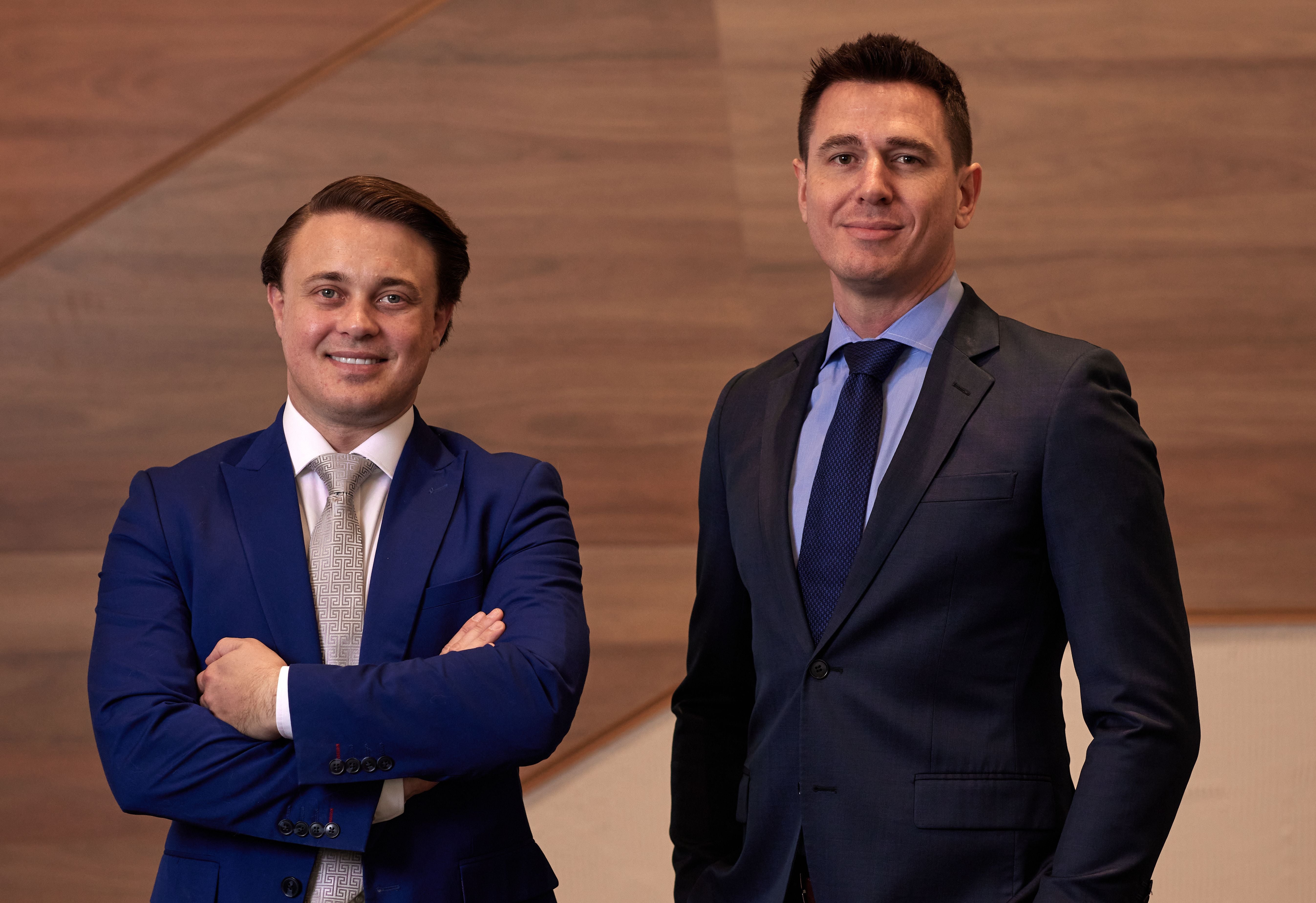
4. Xavier Orr (38) and Chris Shaw (39)
Advanced Navigation
Sydney
From the launch of a 55-gram version of its Certus range of navigation instruments to Australia’s largest-ever defence export, the milestones keep coming at deep-tech titan Advanced Navigation, a company whose innovations are used from the deep sea to space and a lot in between.
In September, CEO and co-founder Chris Shaw said the Certus Mini series was designed with flexibility in mind, for example unlocking new possibilities for drones and a lower entry barrier to precise and reliable navigation for land-based vehicles.
Opportunities for the instruments’ use cases include geospatial surveying from construction sites to critical infrastructure, attachment to agricultural robots and equipment for a wide range of field tasks, open-pit mining for precise rig alignment, and asset tracking across numerous industries.
In the same month it struck a deal with Korean defence and aerospace giant Hanwha, and in December the company reached a deal with vehicle maker Rheinmetall that was described as the single largest defence export agreement in Australia’s history.
The deal involves Advance Navigation supplying its fibre-optic gyroscope inertial navigation systems for Rheinmetall to integrate into its Boxer Combat Reconnaissance Vehicles.
This February, the company also teamed up with Gold Coast-based Gilmour Space Technologies to develop a space-graded high-shock Inertial Navigation System (INS) that can withstand the extreme conditions of a rocket launch.
These are just a few of many breakthroughs for the company which has supplied its technologies to the likes of Airbus, Boeing, Google, Tesla, Apple, and General Motors, among others.
The technology that spawned Advanced Navigation was the product of co-founder Xavier Orr’s university thesis on artificial intelligence applications for inertial navigation.
“In 2012, Chris Shaw and I started the company from a garage in Subiaco, Western Australia. Between working the floor of our first tradeshow to being trusted by many of the world’s largest companies, it’s been an incredible journey,” Orr said in July last year upon announcing his retirement as co-CEO to focus on a family health matter.
Orr retains a substantial shareholding in the company, which has raised $134 million to date and continues to invest heavily in scientific research across areas ranging from autonomous vehicles to photonic chip manufacturing.
“Today, our AI-based inertial navigation has progressed into several deep technology fields including underwater acoustics, photonics, robotics and quantum-enhanced sensing,” he says.
“Our navigation technologies guide autonomous vehicles, aerial drones, marine vessels and our underwater drone is supporting high-res data gathering.
“We will also be one of the first Australian companies to reach the moon.”
Related stories: Advanced Navigation joins forces with Gilmour Space to 'bullet proof' its rocket guidance system
Advanced Navigation enlisted by combat vehicle maker Rheinmetall for giant defence export deal
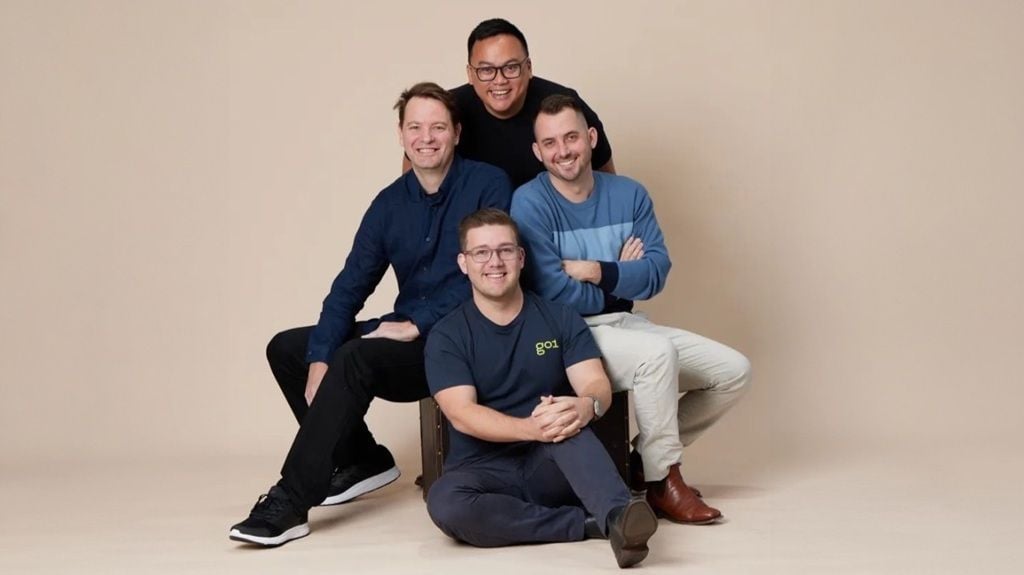
5. Chris Eigeland (34), Vu Tran (36) and Andrew Barnes (36)
Go1
Logan
After growing from “four mates in a basement” to achieving double unicorn status with almost 600 staff spanning 19 countries working on its ed-tech offering, Go1 has entered a new chapter with half its founding team stepping away from day-to-day operations in 2024.
Following a busy 2023 that was marked by the acquisitions of mobile learning app Blinkist which distills books into bite-sized 15-minute explainers, as well as AI-powered curated content and learning platform Anders Pink, the first major news to come out of Go1 in 2024 was the departure of co-founder Vu Tran.
“It is with a heavy heart but also a deep sense of excitement that I step back from Go1,” Tran wrote in May.
“As I step back from Go1 after almost a decade of doing what we do and almost 18 years of working with my co-founders who I love, I am so proud of what we have and will continue to achieve as a company,” he added.
The diverse learning content aggregator, which has been described as like a Netflix for training, went through another reshuffle in August when another co-founder, then-CEO Andrew Barnes, announced he would be stepping down too.
“While building a company is undeniably a marathon, it has also gone by in the blink of an eye. Even with so much change, the core idea behind Go1 has remained the same: to help learners and organisations meet their diverse training needs, across every role and geography, through our amazing set of author partners and content providers,” Barnes wrote at the time.
“Learners complete a course or other resource on Go1 about three times every second. We have customers covering every industry and every segment you can think of.”
Barnes and Tran co-founded the company with Chris Hood (pictured left) and Chris Eigeland. The latter was previously chief revenue officer, and from 2021 he became co-CEO with Barnes.
With Barnes’ exit, Eigeland's responsibility shifted to a more traditional CEO role.
“I’m excited that Chris will lead Go1 as CEO. I will be taking some time off initially while I lean in to support Chris in his expanded role, and subsequently focusing on ensuring Go1 is continuing to innovate and push the boundaries of what can be done,” Barnes said.
6. Alex Zaccaria (35) and Nicholas Humphreys (27)
Linktree
Melbourne
The shadow of TikTok bans that has loomed across millions of creators’ lives this past year has underscored the existential relevance of link-in-bio pioneer Linktree, helping its users take ownership of their hard-won digital presences.
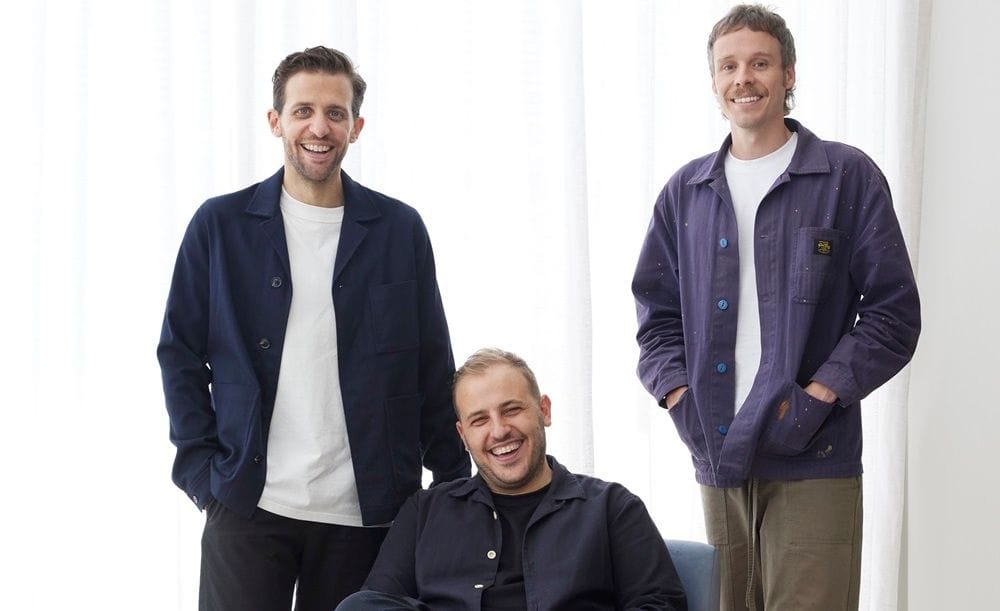
“Linktree is grounded in its commitment to helping creators to own their content and not be dependent on an algorithm. In an unpredictable digital landscape, platform dependency can be a creator’s biggest vulnerability,” says Linktree CEO Alex Zaccaria, who co-founded the business in 2016 with his brother Anthony (pictured left) and Nick Humphreys.
“Creators rely on Linktree because it unifies all their platforms and the content on each of these platforms. It centralises engagement, monetises traffic efficiently, offers flexibility for quick updates, and provides valuable insights to maximise the impact of their growing audience.”
The group’s user base rose by five million in the past year to reach 50 million, with a 33 per cent growth in total links created and the platform driving 1.3 billion clicks per month.
This growth has been alongside initiatives like its Linktree Shops trial for social commerce and its acquisition of Sydney-headquartered social media planning, scheduling and publication tool Plann in August 2024.
In its early stages of testing and used by influencers including Lexi Hidalgo, Jenn Tran, Kelsey Kotzur and Frederic Chen, Linktree Shops is poised to play a critical role in a digital economy that is undergoing changing dynamics.
“Creators are no longer just content producers; they are entrepreneurs, and Linktree is empowering them to operate like small businesses,” Zaccaria explains.
“With the creator economy expected to reach nearly half a trillion dollars by 2027, the potential for creators to drive economic value is enormous.
“The company added 40-plus major retail brands to the platform for creators to monetise their content, including Amazon, Target, Sephora, and more. “
Linktree’s large community of content creators includes musicians, with 360,000 artists joining the platform in 2024 alone – a 45 per cent increase on 2023 – which now makes music one of the group’s top-performing verticals.
“Artists ranging from global stars like Billie Eilish and Sabrina Carpenter to emerging talent collectively drove over 700 million clicks to their projects this year, with top-performing links directing fans to music, merch, and tour dates,” adds Humphreys.
Related story: Social media scheduling startup Plann acquired by Linktree
7. Paul Hauner (36), Adrian Manning (36) and Mehdi Zerouali (36)
Sigma Prime
Sydney
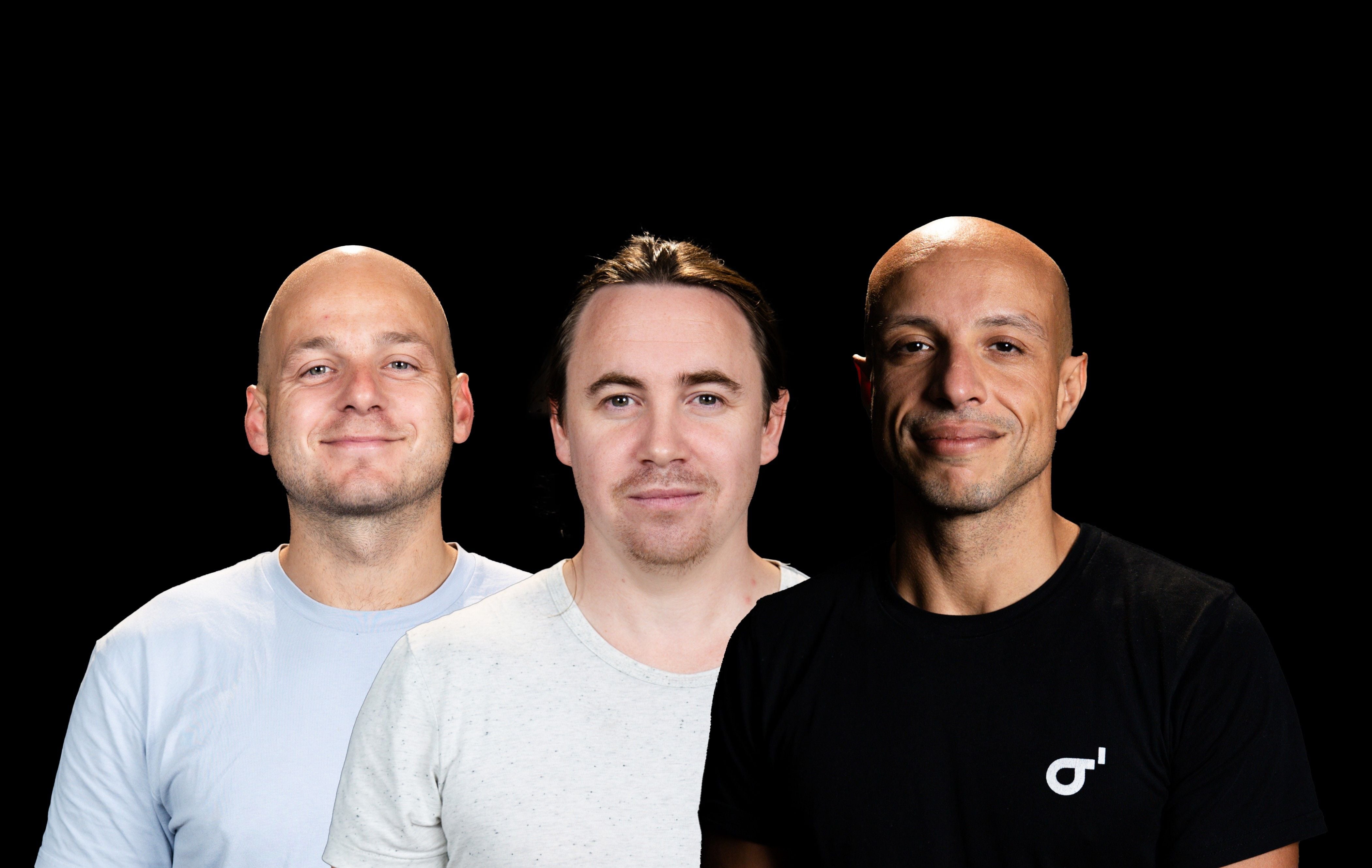
Sigma Prime, co-founded by Paul Hauner, Adrian Manning and Mehdi Zerouali, is a blockchain security and research firm focused on safeguarding decentralised systems.
Known for its work in blockchain security, Sigma Prime has played a critical role in the Ethereum ecosystem, developing Lighthouse, an Ethereum consensus client that powers 30 per cent of the network.
This gives Sigma major clout in its field, which combined with the team’s technical expertise helps attract auditing service contracts to review clients’ blockchains and code.
“Leveraging deep technical expertise, we identify vulnerabilities and protect essential infrastructure, driven by our belief in the power of secure, decentralised systems to shape the future of the digital world,” explains Zerouali.
“Our primary offerings include comprehensive security audits, consulting and research tailored to the needs of blockchain developers, projects and institutions.”
Sigma Prime has its origins in the Ethereum Sydney meetup, before the eponymous blockchain and cryptocurrency went live.
Hauner was a software engineer at the time, Manning had just completed his PhD in theoretical particle physics, and Zerouali was working in cybersecurity at a Big Four consulting firm. The three founders-to-be had a shared passion for Ethereum, and frequently presented their research and explorations at the gatherings.
“As community interest grew, we realised our cybersecurity expertise was uniquely suited to the emerging challenges in blockchain,” says Zerouali.
“This led us to transition our web2 security skills into web3, establishing Sigma Prime as a leading provider of security assessment services for blockchain projects.”
Sigma Prime was able to secure funding from the Ethereum Foundation to develop Lighthouse, an open-source Ethereum software that plays a critical role in the blockchain infrastructure.
The business initially had its challenges in developing a revenue stream independently. Manning explains that much of its early consulting involved telling high-profile clients why their blockchain ideas wouldn’t work, but seeing them go through with their plans anyway and fail.
He says that now most of Sigma Prime’s revenue comes from auditing or blockchain cyber security work.
“Every week people are stealing tens of millions of dollars from people because of poorly written code, so in the beginning clients were coming to us for advice on whether the thing that they’re writing was good or not,” Manning explains.
“We review entire blockchains from scratch, people that build new code on top of it, people that build just consensus mechanisms. And because we've built our own blockchain from scratch, we have a unique set of skills to be able to review and tell people how to do it securely.”
Related stories: 2024 Australian Young Entrepreneur of the Year revealed
Blockchain security firm secures prime spot in Sydney Young Entrepreneur Awards

8. Dr May Chan (39)
Dental Boutique
Melbourne
From its origins with a single-chair clinic in 2013, cosmetic dentistry chain Dental Boutique has grown to become a powerhouse in its field with multiple locations across Australia and New Zealand.
As an already fast-growing company that needed to relocate to new facilities in Melbourne in early 2024 to keep up with demand, Dental Boutique got its teeth stuck into expansion mode throughout the past 12 months.
This started with its first launch overseas with a clinic in Auckland, then opening its second practices in Sydney and Queensland, in Chatswood and the Sunshine Coast respectively, before venturing into the Perth market later in 2024.
A new clinic on the Gold Coast is also on the horizon with plans to expand to more cities later in 2015.
The group also has a footprint in various other Victorian locations and Adelaide, with the latter being where the journey really began for Dental Boutique’s husband-and-wife co-founders Dr May Chan and Dr Reuben Sim, who both graduated from the University of Adelaide in 2008.
Dr Chan was drawn to cosmetic dentistry as a result of her own personal experience of enduring a traumatic fall as a child in which she lost her two front teeth.
Despite enduring numerous dental procedures, she grappled with persistent issues of discoloration and misalignment, hindering her confidence and self-esteem.
She went on a “profound smile journey” which sparked her ambition to pursue a career that would help her transform the smiles, and thus confidence, of others.
“Dental Boutique fosters a welcoming and non-judgmental atmosphere – one that aims to alleviate the onset of dental anxiety, while prioritising both aesthetic and functional results for each patient,” Chan says.
“Every patient who visits Dental Boutique arrives with unique goals, desires and financial considerations. The team collaborates closely with each patient during their initial consultation to ensure their concerns are fully understood.
“They take the time to explain all available options, outlining the advantages and disadvantages of each, while providing transparent pricing information. This empowers patients to make informed decisions that align with their individual needs, without any unexpected surprises.”
In addition to its core work in cosmetic dentistry, the group has also developed a dedicated specialist centre established to house orthodontists, prosthodontists, oral surgeons and endodontists under one roof.
“Recognising a gap in the market for efficient specialised dental treatments, which typically require two to four months, we identified that this lengthy process can deter many patients from receiving the care they need,” Chan adds.
“By consolidating these specialists in a single location, the new centre will enhance treatment fluidity and foster greater professional collaboration, ultimately improving the patient experience.
“Dental Boutique continues to invest in state-of-the-art technology, advanced techniques and trusted, high-quality materials that are recommended on a global scale, ensuring there is continuous growth and improvement of our services.”
Related story: Dr May Chan wins Melbourne Young Entrepreneur of the Year Award as Dental Boutique keeps thriving
9. Dean Mintz (39)
Cettire
Melbourne
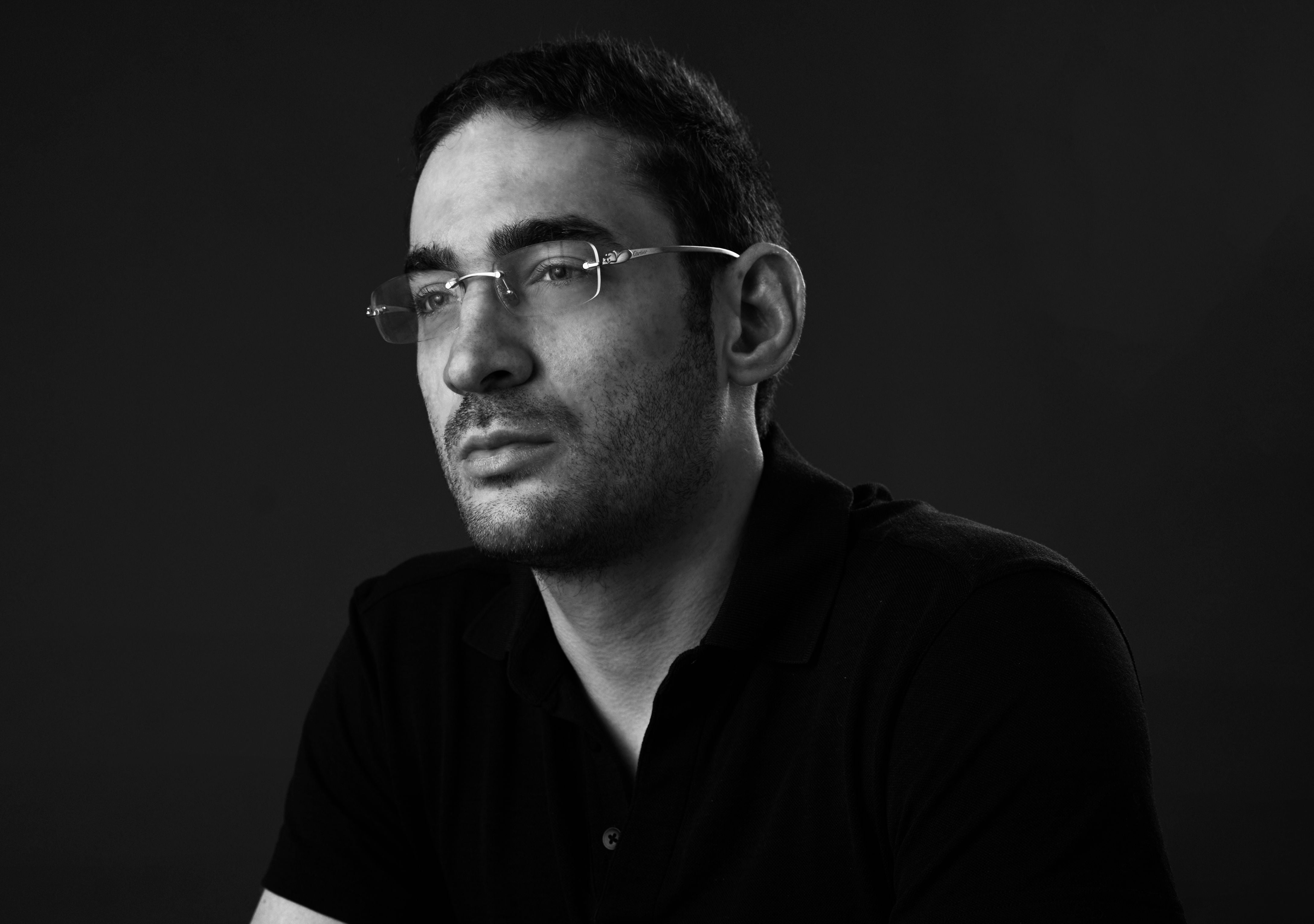
Founded in 2017 by software developer Dean Mintz and listed on the ASX in 2020, online luxury retail dropshipper Cettire (ASX: CTT) has found its niche as a capital-light consumer-facing platform with low inventory demands.
The business model has its detractors and the company has been subjected to significant short seller attacks in the past year, with its share price currently down by around three-quarters on highs witnessed in March 2024.
Nonetheless, at the time of writing Cettire shares are still worth more than double their initial public offering (IPO) level of $0.50, while sales continue to grow and the group has refocused its efforts on profitability.
“Cettire’s growth since inception has been extraordinary, which not only speaks to our customer and supplier value proposition, it also reflects the strength of demand for global personal luxury goods over the past seven years,” Mintz, Cettire’s CEO, told shareholders at the company's annual general meeting (AGM) in November.
“Over the past six months, Cettire has been navigating through a more challenging external environment in the luxury market. Our focus during this time has been leveraging the inherent flexibility of our business model to address the various dynamics playing out across the sector.
“More recently, this has included increasing emphasis on profit over growth and focusing on how we can maximise the key drivers of our business. Additionally, growing our relationships with suppliers, maximising our return on investment from marketing spend, exploring new ways to engage with our customers and continuing to enhance customer experience.”
At the AGM, Mintz claimed that despite more modest growth and profitability of late, he believed Cettire had “strongly outperformed much of the luxury sector as well as other online luxury players, many of whom appear to be facing challenges”.
“We continue to rapidly take market share and grow relevance within the luxury supply chain,” he said.
)