)
Cell-cultured meat will now be allowed for sale in Australia and New Zealand after Sydney-based startup Vow secured a breakthrough approval from food regulation authorities, building on a similar milestone achieved in Singapore last year.
Food Standards Australia New Zealand (FSANZ), one of the world's most respected regulators, has officially approved the sale of cultured meat after more than two years working on a rigorous food safety assessment of the company's cultured quail.
Vow's CEO and founder George Peppou writes on his LinkedIn today that people will be able to taste his company's cultured meat at dozens of Australian restaurants for the very first time by the end of this month.
"When was the last time you tasted something for the first time?" Peppou asks.
"This question has been bouncing around my mind since founding Vow back in 2019. There were all of these new food technologies being developed at a feverish pace and, yet, they were used to produce food that was just really… boring?
"Years and hundreds of millions of dollars were being spent to make uninspiring beef burgers and chicken breast analogs. It all just felt very dull."
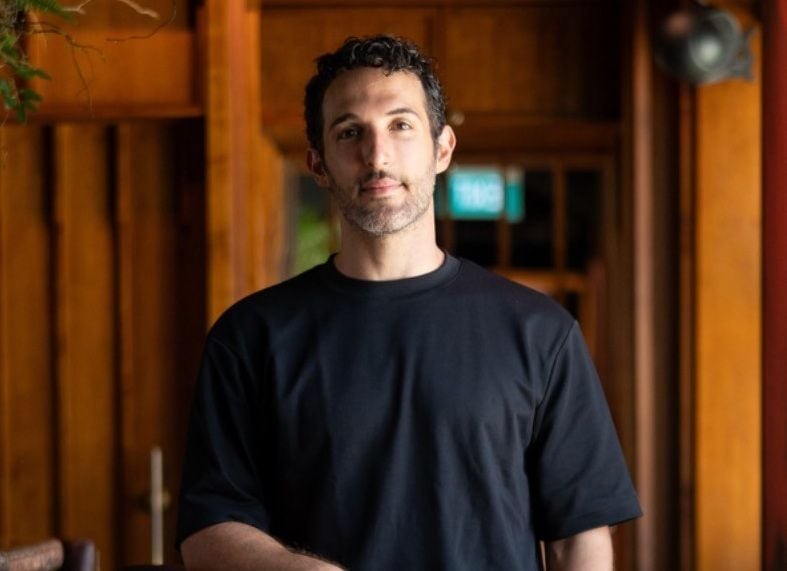
Starting from a passing thought of "why not invent something new", and raising US$56 million ($86 million) over three rounds to make that invention a reality, Vow has been forging ahead with its plans to bring totally new flavours to the market.
Under its first brand, Forged, the company will be launching in the Australian market with locally-made, cultured Japanese quail, debuting on the menus of restaurants including Kitchen by Mike, NEL and The Waratah in Sydney, and Bottarga and The Lincoln in Melbourne.
The company's creations derived from Japanese quail include a delicate, savoury parfait and a rich, decadent foie gras.
"Australia has always punched above its weight when it comes to food – we’re a country of curious, creative, and deeply thoughtful chefs and diners," Peppou says.
"Our early collaborators aren’t united by cuisine or style – they’re connected by a deep respect for quality produce, a desire to create memorable dining experiences, and a curiosity to try something entirely new.
"To now be able to offer something completely new – not an imitation, but a new category of food that complements local farming – is something we're incredibly excited about."
Peppou, an ex-chef himself, says Forged’s flavour-first approach has helped bring top chefs to the table.
"Flavour is everything to us – it’s the reason Forged exists," he said. "We’re crafting meats that aren’t just rich and complex, but downright irresistible. The kind of food you want to eat straight off the spoon then lick the plate clean."
"That’s the experience we’re chasing every time – and chefs are noticing. Many describe the product’s signature umami depth and silky, melt-in-your-mouth texture as unlike anything they’ve worked with before."
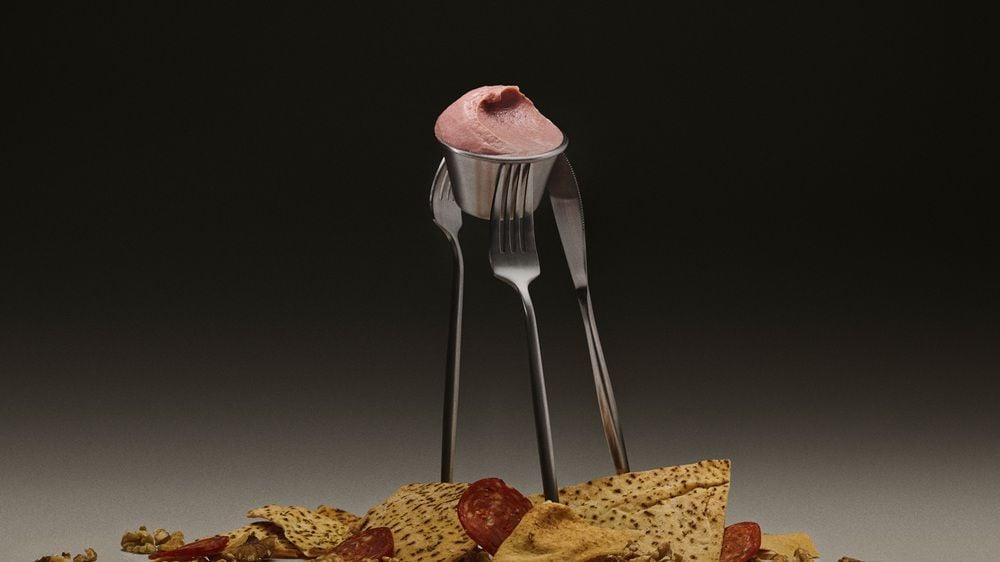
He says the team worked closely with FSANZ over the past two years, and is proud to have earned its approval.
"It’s a rigorous process, and rightly so. This is an important milestone for cultured meat in Australia and around the globe – to have the stamp of approval from a trusted global regulator such as FSANZ – and we’re excited to bring safe, high-quality products to local diners through some of the country’s most talented chefs."
Not-for-profit Cellular Agriculture Australia notes this is the first approval of cell-cultured meat in the southern hemisphere, and the fourth jurisdiction globally to approve cell-cultured meat for sale for human consumption after Singapore, the US and Israel.
"This approval sets an important precedent and sends a strong signal: Australia’s cultivated meat industry is open for business, and Vow continues to lead the charge in developing exciting and delicious food that is part of a resilient and future-proof food system," says Cell Agriculture Australia CEO Sam Perkins.
In its executive summary of the decision, FSANZ highlighted this is Vow's first commercial product manufactured using a novel process to grow meat without harming animals, with the intent to sell the product as an ingredient in high-quality dishes at limited serving sizes.
The safety assessment considered the similarity of Vow cultured quail to conventional meat, and also checked for residues in the inputs and raw materials used for manufacturing, finding all ingredients to be safe.
"The cells grow within bioreactors but become non-viable and stop growing shortly after harvest. Similar to conventional meat, the cells are not viable when served to the consumer," FSANZ states.
"Further, an assessment of the manufacturing process and stability of the cell line, as well as the implementation of quality control measures resulting in a consistent and safe product, all contribute to the demonstration of the safety of cultured quail.
"Cultured quail is confirmed to be Coturnix japonica, is similar in composition to conventional quail, and is a stable cell line that does not produce any toxins, anti-nutrients, or allergens. There are no differences in gross composition that are expected to pose a food consumption hazard."
FSANZ also notes that no animal-derived additives or antibiotics are used after cell-line development.
"A comprehensive review using a conservative risk assessment approach of the inputs, including cell media, additives, cryoprotectants, and cleaners, demonstrates that the additives are not present at high levels in the final product, and are not anticipated to pose a food consumption hazard at the proposed dietary levels," it stated, noting consumption levels were anticipated to be about the same as current consumption for quail and lower for other poultry like chicken.
"The final cultured quail product was tested for microbiological and chemical contamination and determined to be free of food pathogens, heavy metals, and antibiotics. Allergenicity testing demonstrates that there are no major allergenic proteins.
"Based on the similarity of Vow cultured quail to conventional C. japonica, a long history of safe consumption of quail, and a thorough risk analysis of inputs, cells, manufacturing process, and residues presented in this dossier, it is concluded that Vow cultured quail is non-pathogenic, non-toxic, and is safe for use as an ingredient in food, under the intended conditions of use and at the estimated dietary intake levels described in this dossier."
)