)
Luxury leathergoods retailer Maison de Sabré – a brand that now sits alongside premium offerings such as Louis Vuitton in upscale department store Bloomingdale's - has affirmed its plans to accelerate growth in the US market despite a whirlwind of doubt among Australian companies due to the new tariff regime.
Maison de Sabré co-founders Omar and Zane Sabré have been preparing for just such an event since the COVID era, which hit them hard at the time.
In recent years, the entrepreneurial siblings have been working on creating a vertically integrated supply chain for their Sydney-based fashion brand that they describe as a “uniquely global model that can absorb shocks”.
With sales growth momentum in their favour, and despite the tariff threat, CEO Omar Sabré says the company is well positioned to increase market share in its biggest global markets which comprise the US, Japan and Australia.
“We’ve been in the US and Japan for about seven years,” Sabré tells Business News Australia.
“We went global very early because we realised that the Australian market is extremely great but also extremely small on the world stage.
“We were very fortunate that we had great discoverability in the beginning where customers sought us out before we even knew we had customers there.”
Sabré says Maison de Sabré now ranks among the top two performing labels on both Bloomingdale’s and Nordstrom’s online platforms, signalling a maturing of the brand’s profile in the US.
A pop-up established inside Bloomingdale’s 59th Street store in New York three weeks ago has positioned Maison de Sabré on the ultra-luxury level alongside Louis Vuitton, a milestone achievement that has been eight years in the making when the Sabré brothers first established the brand in 2017 with a single stock item – a full-leather phone case.
“Our vision has always been that – to be right next to Louis Vuitton – and we did it once before in Australia at David Jones in Elizabeth Street,” says Sabré.
“I think that’s just incredible and rewarding. We’re just a little Australian brand and we get to be on the world stage.”
After entering the US market in its startup phase, Sabré concedes it has been a “very difficult market to crack”.
“It wasn’t really until we started to improve our offline presence and work with larger-name retailers that we saw this seismic shift in the business,” he says.
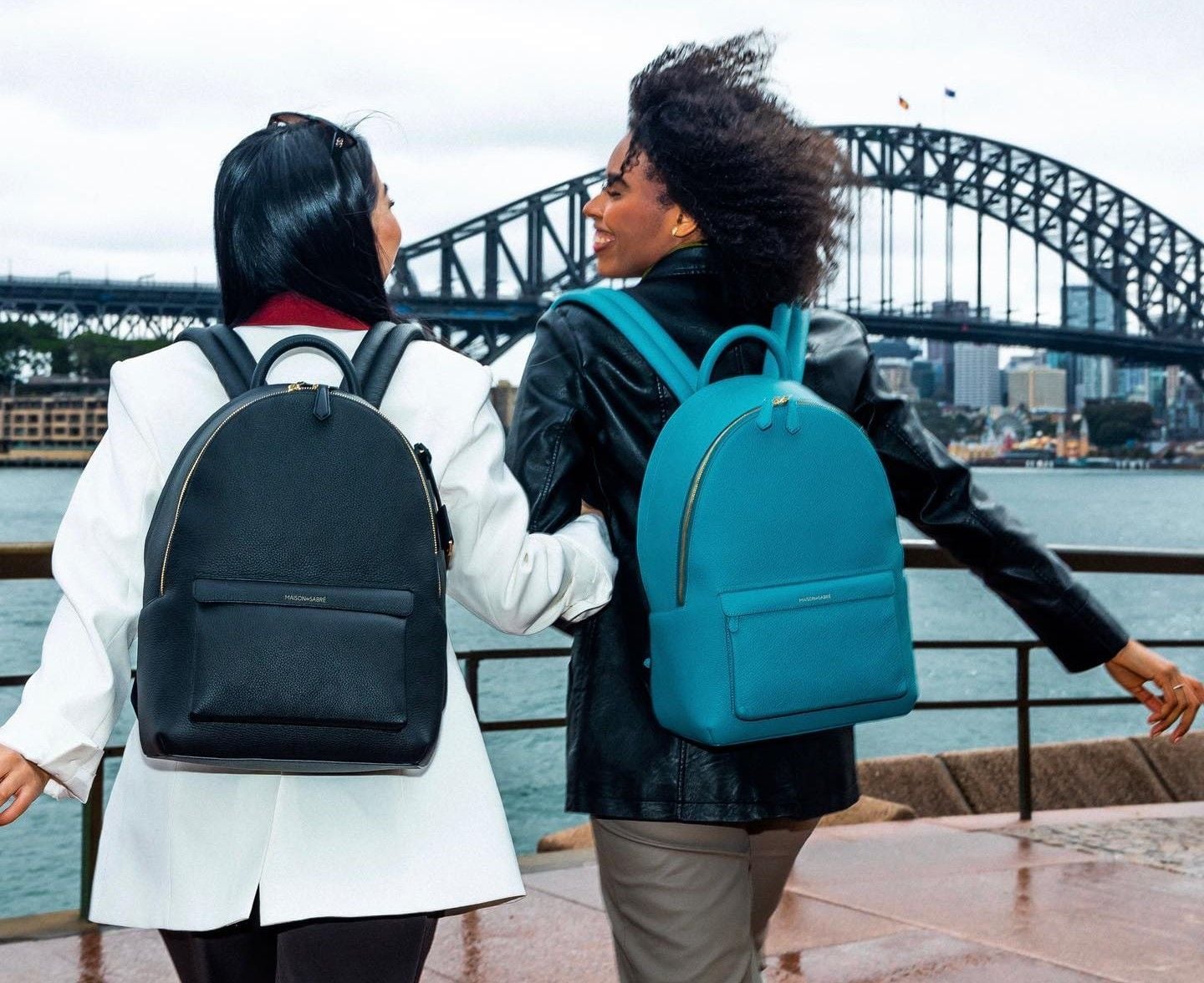
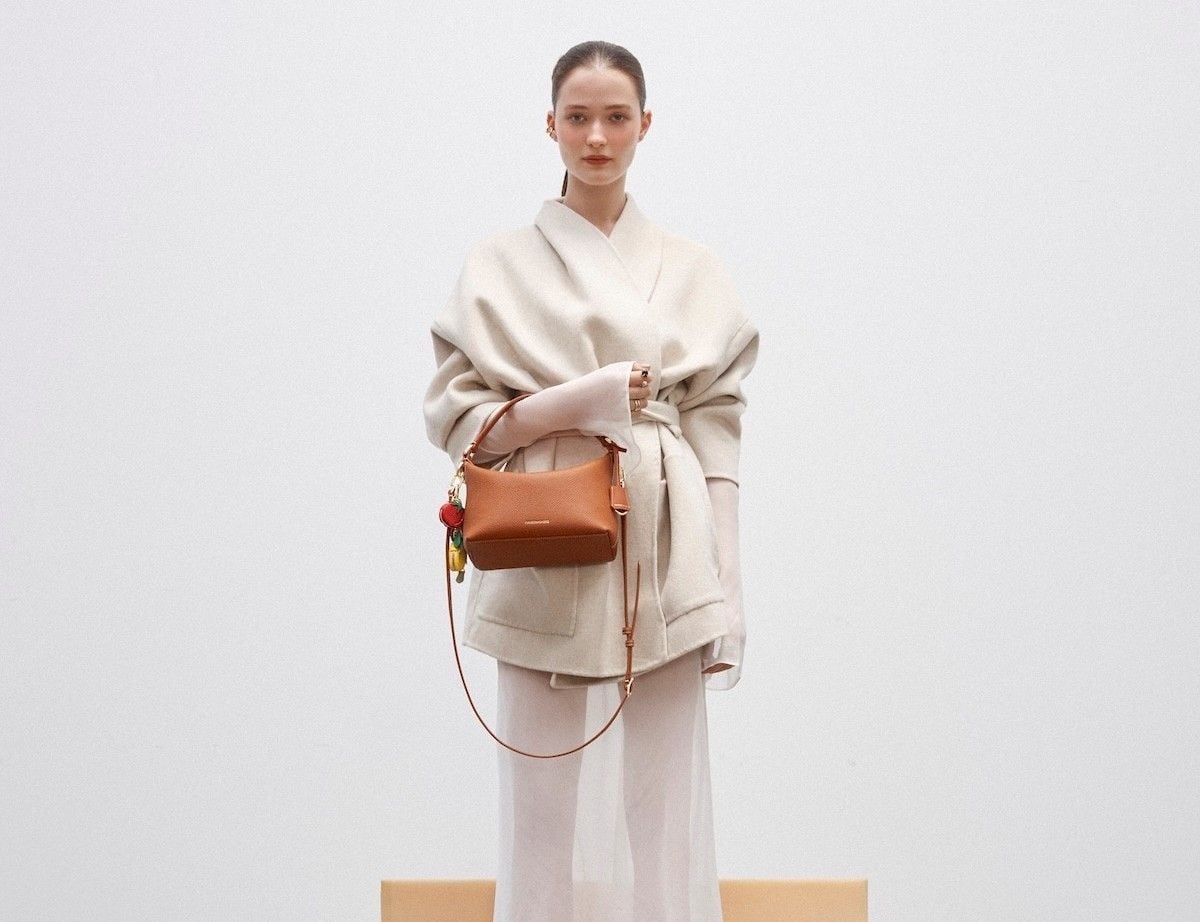
Mason de Sabré manufactures and retails a range of leather goods from phone cases to backpacks, handbags and luggage, with demand for its products delivering double-digit year-on-year revenue growth.
While US tariffs on imported goods have been a cause for concern, Sabré says the recent disruption to the world order of trade was not unexpected by the company.
“We always have a very keen ear to the streets to understand what’s happening at the ground level and not just what you read in media reports,” he says.
“We’ve always known that something was going to happen, not just in the US, but globally. Global trade tension has been at an all-time high and we have known that it was not always going to be smooth sailing.
“Most business owners should understand that since COVID the world is not the same as it used to be. It’s always going to be a challenge, especially when you operate globally.”
Sabré also acknowledges trade tensions and challenges that have emerged across many Asian manufacturing markets which are also competing against China, and have been impacted by the dumping of cheaper Chinese products into their own markets.
“Asia is a key manufacturing hub for us, like it is for nearly every single brand in the world, but in the past year we’ve also been able to expand into European manufacturing,” he says.
“Europe was a great testing ground for us as we started to trial new materials, new innovations and more intricate styles with our craftspeople there.
“That has allowed us to basically have a supplementary supply chain in Europe that we can tap into when we have a crisis like what is happening in the US.”
Maison de Sabré currently has enough inventory in the US to accommodate trading over the next three to four months. This gives the company some buffer in the near term, but the company also says it is well structured to handle the expected tariff impacts.
“We have been very deeply committed to the US, especially over the last year. That means we haven’t only been shopping products there, but we have an entire logistics operation set up in the States,” says Sabré.
“We have a lot of our warehousing and distributorship there. We have our software and our products there as well, so regardless of what happens we have cover on the ground with inventory that allows us to continue supplying our customers.
“We’ve got our European supply chain kicking in as well, so there really isn’t any disruption going to happen in the way that we serve product (in the US) or the way we support our customers in that market.
“We also finish some products in Australia. Because our global market is so large nowadays, we try to localise where they are needed.”
While he can’t describe the current situation as “smooth sailing”, Sabré says it’s “under control”.
“The first week (of the tariff announcement) was tit for tat. Everybody was cautious as to what was playing out, but the great thing is that we were able to very quickly reassess that all our systems were go and we were still able to deliver products to customers. Then it was a matter of just closely monitoring that to ensure we are not faltering on our commitment.”
Customers may not be as confident if the latest sales are any indication. Maison de Sabré has experienced a sharp spike in sales from US customers fearing a price surge in its products.
“As we know, if there is an uptick there is going to be a massive downturn at some point,” says Sabré.
“We have noticed demand has softened in a lot of markets globally and our responsibility is to build customer trust and confidence - letting them know that things are not going to change and that we are not hiking prices. We’re doubling down on our offline investments to ensure our customers understand that.”
Maison de Sabré has three distribution channels – direct online, a marketplace model that includes the e-commerce platforms of US retailers such as Saks Fifth Avenue, Nordstrom and Bloomingdale's, as well as a pop-up and concession model, which is a shop-in-shop arrangement where it takes space in upmarket department stores.
“Over the last three years we have really focused on also expanding our style offering,” says Sabré.
“When we first started, we actually launched with one product, our phone case. That was a product that took the world by storm. We were the first brand globally that produced a phone case that was completely encased in leather.
“We really innovated from day dot and we have been innovating ever since. We also launched the world’s first full leather-wrapped AirPods case that didn’t use plastic.
“What we have been focusing on in the past four years is innovation in the bags category and jewellery, adding very thoughtful and full functionality, particularly with our work bags such as our totes and backpacks. They have been really huge successes in Australia and the US.”
Maison de Sabré also launched a range of luggage items last year which the company says is proving popular.
“The key vision for the brand is to be able to create this new category of modern luxury where we are prioritising the customer through form, function and product and through affordability and price – and through a product that stands the test of time,” says Sabré.
“We don’t do trendy or gimmicky products but things you are going to use every single day.”
Essential to stabilising its cost base, Maison de Sabré has a single source for its leather, Europe, as it reveals the breakdown of costs shows that the majority is attributed to the material rather than labour.
“The material is the same if it’s made in Italy, Vietnam or China because our raw material sourcing is exactly the same and that’s what we have control over,” says Sabré.
“There are going to be fluctuations by markets but, for example, we are very fortunate to be operating in Australia because the US exchange rate is favourable to us as exporters. We get to be able to mitigate most of those costs.”
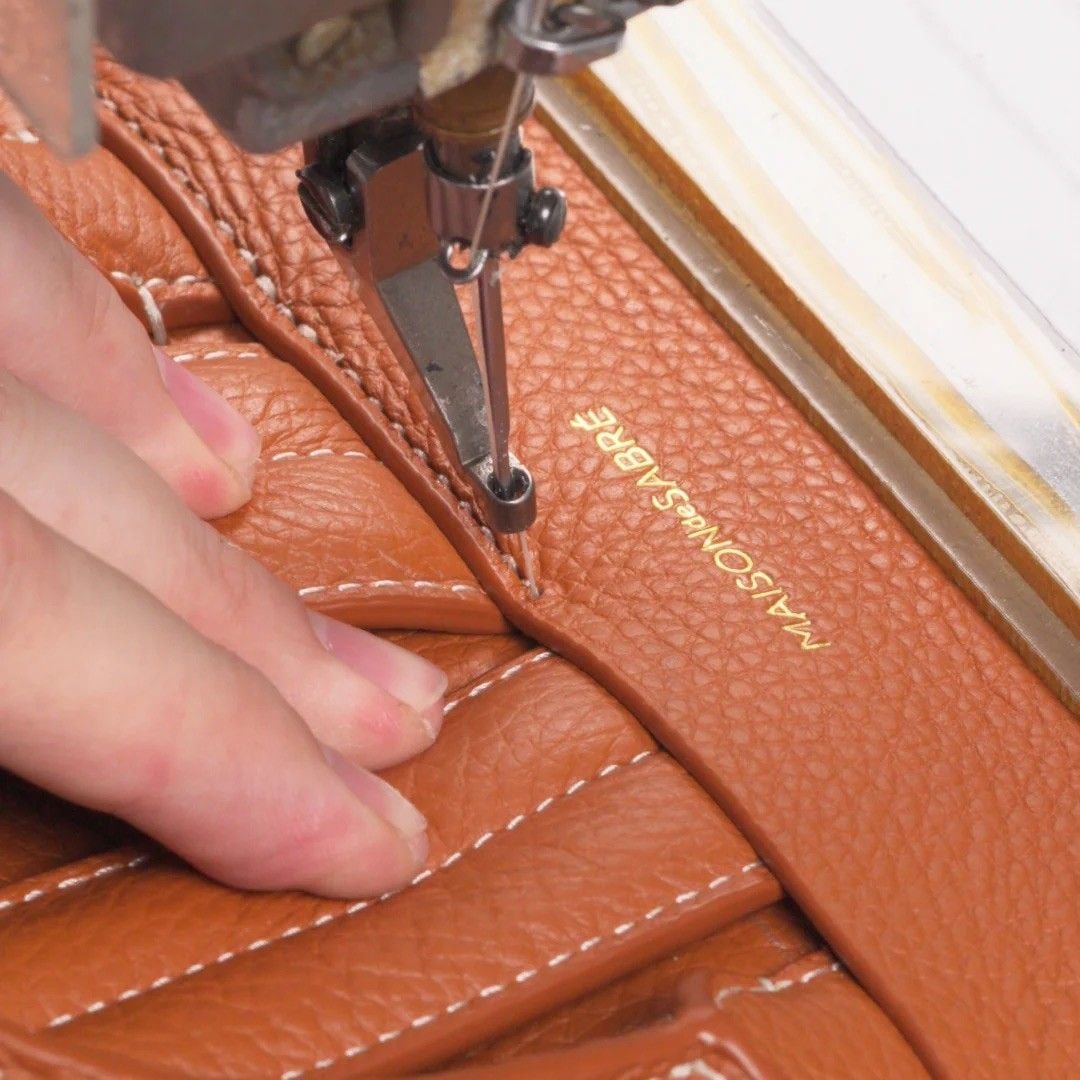
The brand’s signature products are made from premium full-grain European cowhide and in 2022 the company transitioned its complete range of products to DriTan, a sustainable tanning method that is said to save 25 million litres of water annually and cut chemical use by 33 per cent.
Maison de Sabré also boasts 85 per cent material utilisation, zero-waste production and a commitment to carbon offsetting by 2026 that it says sets a new benchmark for sustainable innovation in modern luxury.
“In terms of raw materials, that never changes for us because we have always sourced them out of Europe,” says Sabré.
“But it’s essentially where everything gets crafted and stitched together, that’s where we’ve been really resilient.
“Our three largest markets are the US, Japan and then Australia, so we really prioritise fulfilment and supply in those three markets and we localise depending on market requirements.”
Challenging the major luxury brands
Affordable luxury is a niche that Maison de Sabré is comfortably tackling. Sabré says more consumers are eschewing the huge premiums on some of the world’s biggest names in luxury accessories, providing a growing appetite for challengers such as Maison de Sabré.
“When they experience our quality they recognise that what we are offering is second to none,” he says.
“I can ‘hand on heart’ say we can compete at a product level with those types of brands because I intimately know the way we produce, the way that we source the materials, the way we buy and we’re giving a far greater benefit to the customer.
“What’s happening now is that luxury brands are getting priced out of the market and creating a massive vacuum that other brands are going to fill - and they are doing that themselves.”
The latest earnings results from Louis Vuitton may be an indicator of this trend with the global brand revealing in its first-quarter results earlier this week that sales fell 3 per cent due to weaker demand in the US and China.
The 3 per cent fall compares with expectations of a 2 per cent increase in the three months to the end of March and a sign that analysts say could see luxury brands facing another tough year that will be compounded by the tariff war.
Lessons learned during COVID
“It gets harder every year,” Sabré concedes.
“It’s never been easier and that’s why we’ve been a little bit paranoid about the way we operate. COVID was the prime example of that. Everything was just ticking along and then one day everything came to a halt.
“There was no expectation of that. The lesson there is that we can’t wait for things to happen. We always have to be on the front foot and prepared for that just-in-case moment.”
Maison de Sabré has diversified across the board, “everything from the markets we play into the way we acquire customers”, says Sabré.
“These days we are leaning a lot more into our offline strategy. When Apple, Google and Facebook had the privacy issues and the tracking got removed, everybody that was hellbent on obtaining customers through Instagram and Facebook ads got absolutely railed.
“Right now, we have such a diverse buyer acquisition channel where we have pop-ups that are happening all over the world, so great offline channels, while digital is also coming along as it should.”
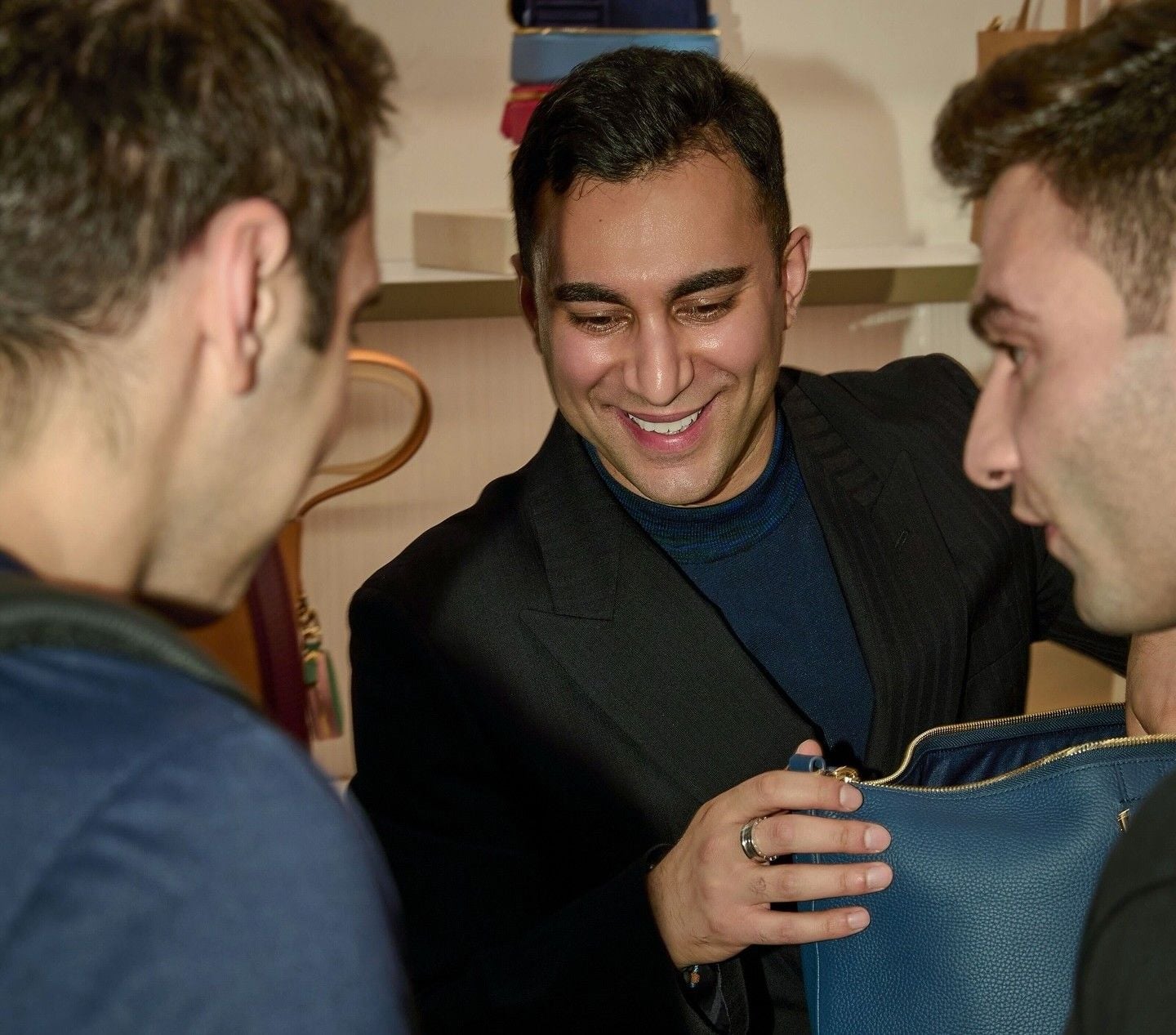
Sabré says business growth over the past two years is like “nothing like we have ever experienced before”.
“We feel like the business has been like a baby learning to walk over the past six years and in the last two years its learning how to run.”
The CEO puts that down to the growing awareness of the brand among its key consumer segment, although he adds that consumers “just want confidence that what they are buying is the real deal”.
“Sometimes you need to borrow that confidence from an established retailer. That’s what we have been able to do really well in the States and that is what we are rolling out in Japan. We’re working with a lot of department stores to leverage their brand equity and bring it to our brand.
“Of course, they have to see something in you at the same time – something you can offer that no one else can. That’s why it’s important to stay true to what makes you special rather than chase trends.
“We’re at a critical mass where enough people know about the brand and are talking about the brand for us to get some really nice traction.
“It’s a really wonderful feeling because all the work we have done over the last couple of years to get the branding right is all coming to this moment where people are appreciating our brand and they’re buying it.”
)